Family Story
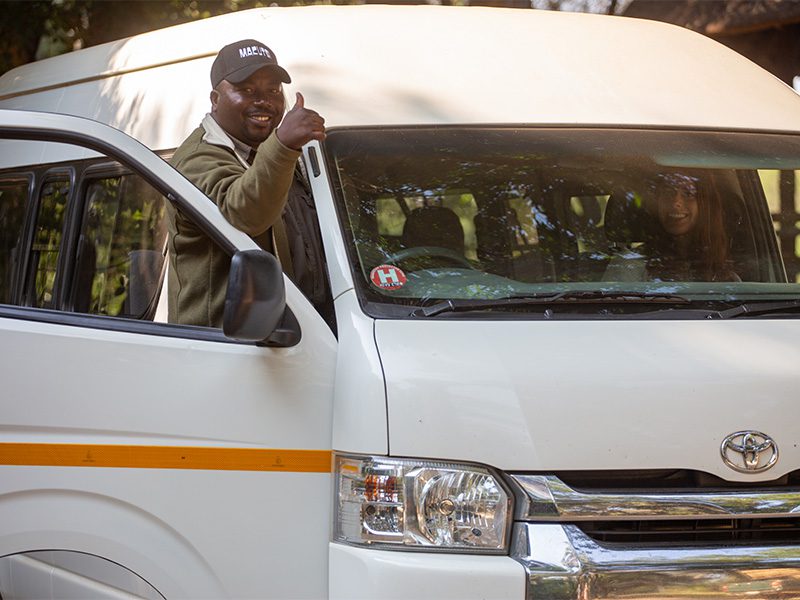
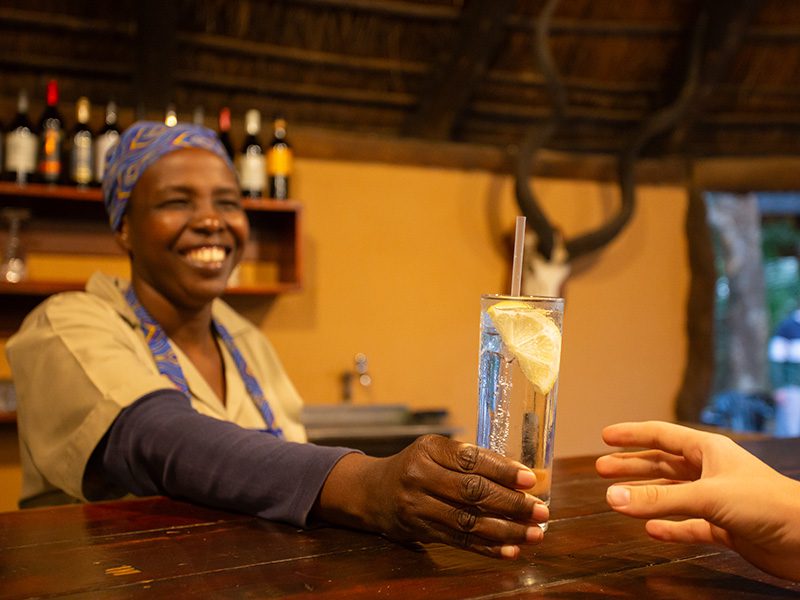
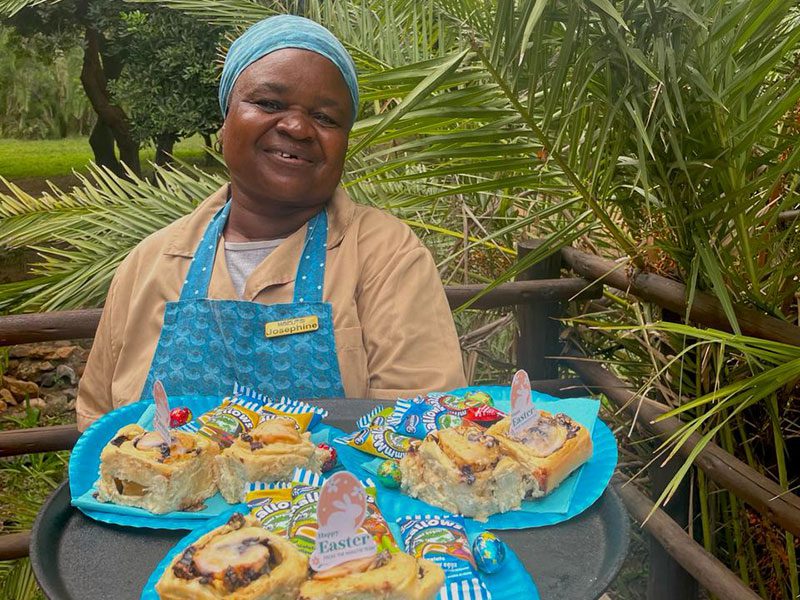
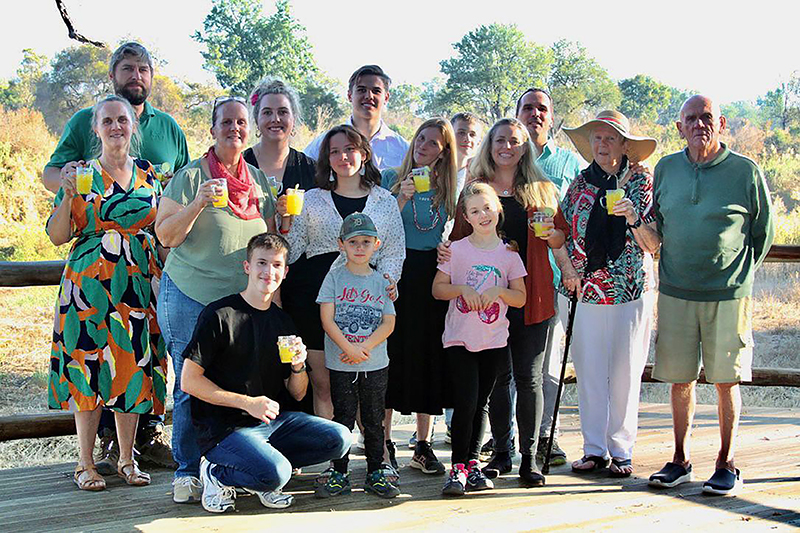
Makutsi has been in the Weber family since the 1970s. What started as one generation’s vision for what a wildlife reserve could be is now carried by three. The founders’ four children all work in the business today, and the grandchildren are beginning to find their place too — which feels like a good sign.
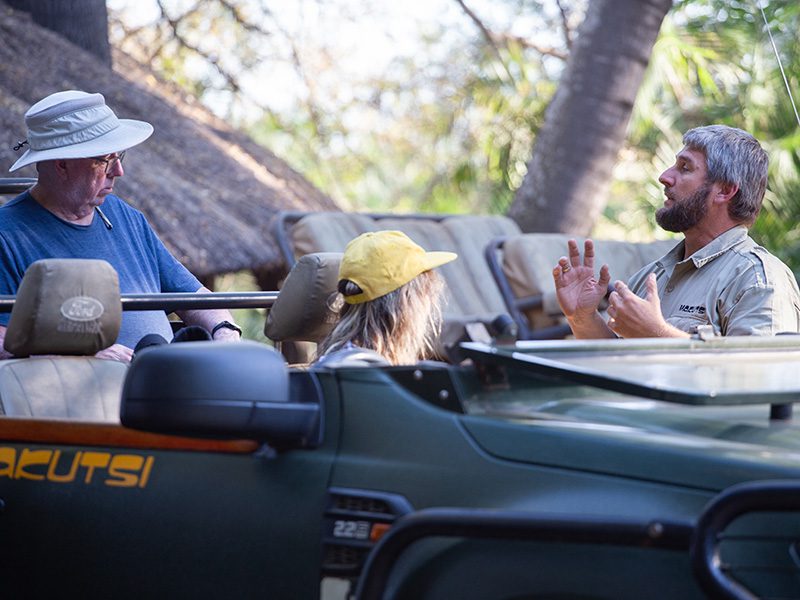
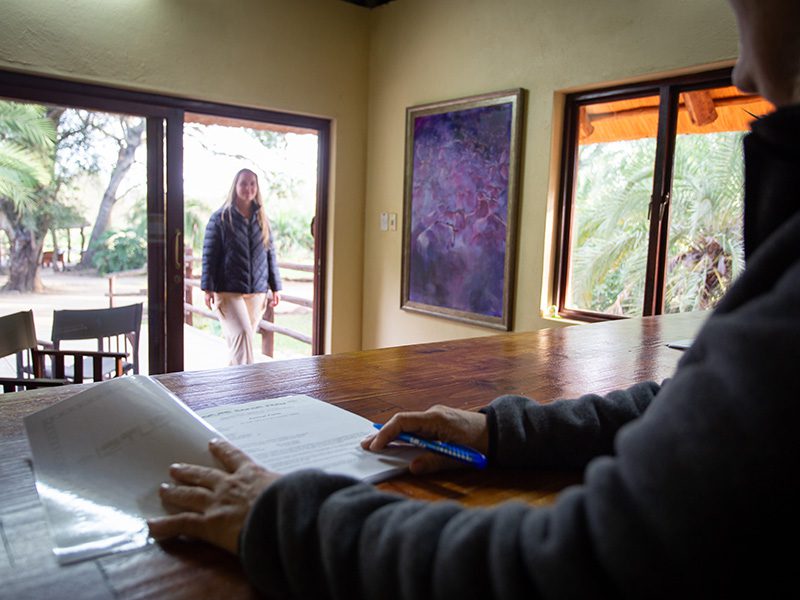
We’re involved in everything — reception, guiding, marketing, finances, conservation, maintenance, and everything in between. There’s no part of the operation that runs without family input, and we think that shows in the experience guests have. Information is first-hand, problems get dealt with directly, and there’s a consistency to how Makutsi is run that’s hard to achieve any other way.
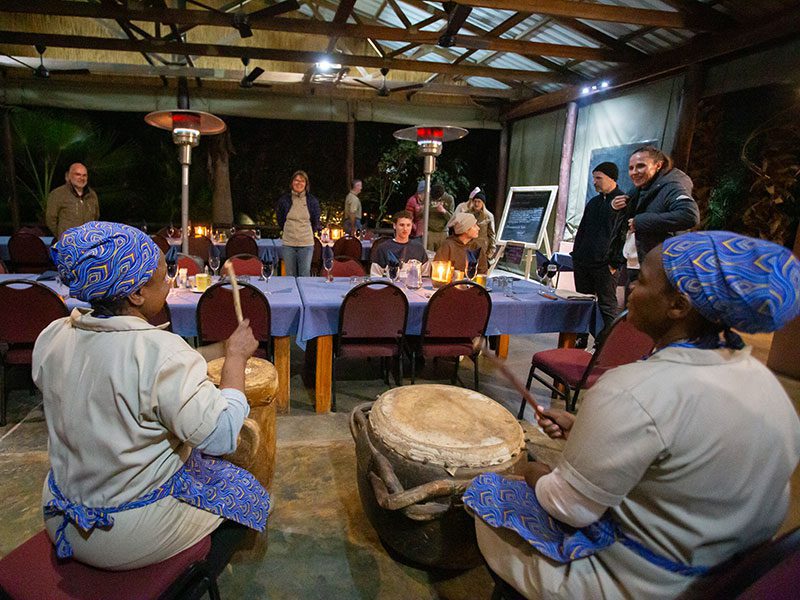
Over the years that approach has brought back many of the same faces, some now returning with their own children and grandchildren. We’re grateful for that loyalty, and it’s what keeps us motivated to keep doing things the way we do them.
Conservation
Conservation isn’t a marketing word for us. It’s the reason Makutsi exists.
When the Weber family started this reserve, the idea was simple — protect the land, respect the wildlife, and build something that could last. Nearly 50 years on, that hasn’t changed. What has changed is how much there is to protect, and how much work it takes to do it properly.
Heli Patrols — Eyes in the Sky
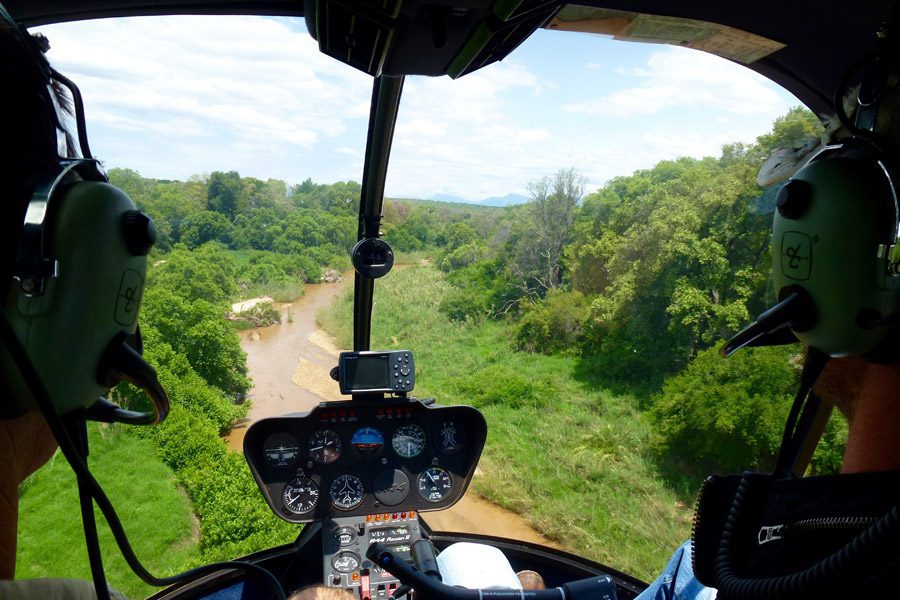
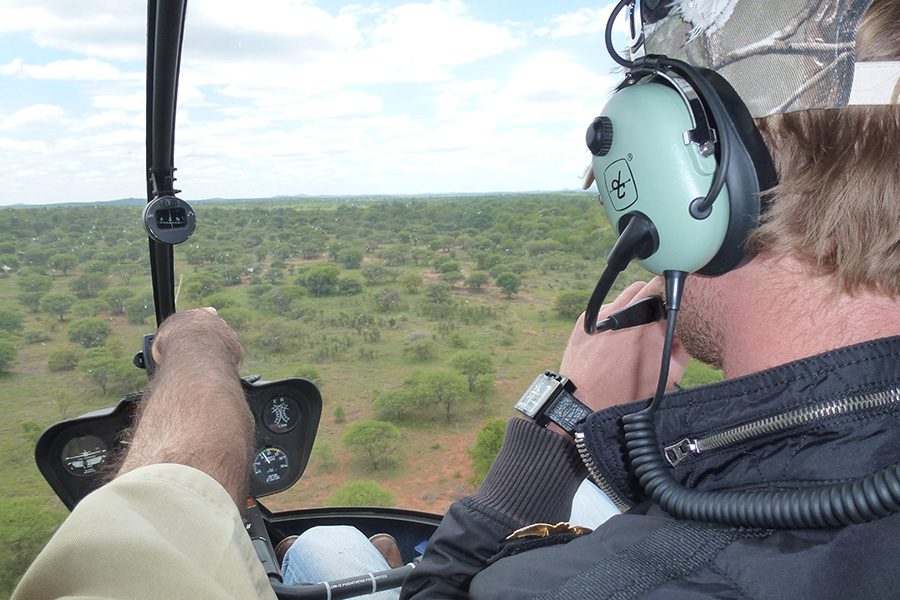
Poaching is a real and constant threat. We patrol on foot, on horseback, and by Game Viewer — but there’s only so much ground you can cover that way. The helicopter changes that. From the air, we can sweep the entire reserve in a fraction of the time, spot what’s out of place, and make our presence known to anyone who might be thinking of coming onto the reserve uninvited. When guests join us on a patrol flight, they get a remarkable view of the bush — and the cost of the flight goes directly towards keeping those patrols running. It’s one of the most practical ways a visitor can contribute. Max 2 guests per flight, weather permitting.
Cheetah Conservation
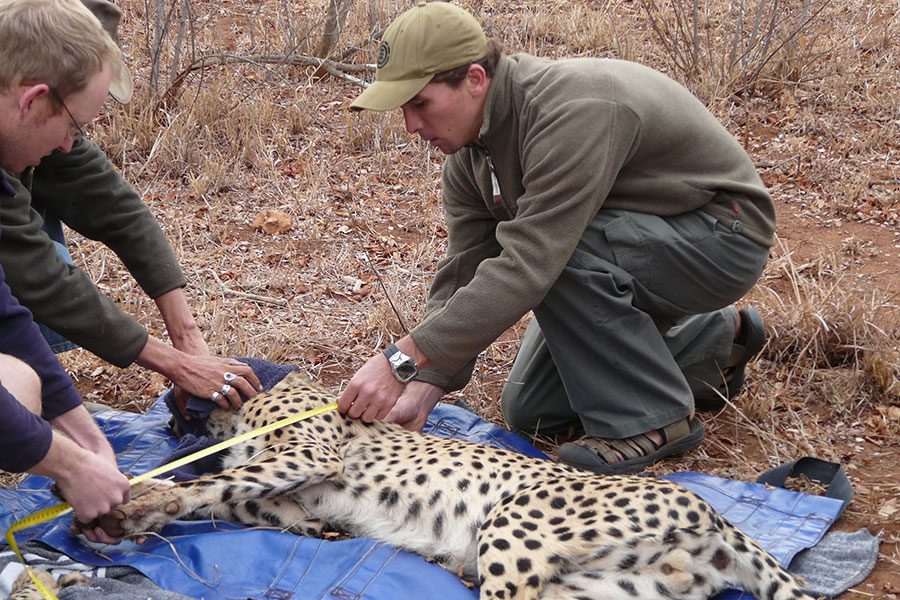
We’ve had cheetahs on Makutsi for many years, and working with the Endangered Wildlife Trust’s Cheetah Meta-population Programme has given that work real purpose. Cheetahs suffer from dangerously low genetic diversity — it’s one of the lesser-known reasons the species is under pressure. By keeping a resident male and female, monitoring their movements, and relocating cubs once they’re mature, we play a small but meaningful role in strengthening the broader population. Our guides track them daily. When guests join a cheetah research drive, that participation funds the monitoring work directly. It’s not a game drive add-on — it’s a working research programme that happens to be extraordinary to experience.
Caring for the Land
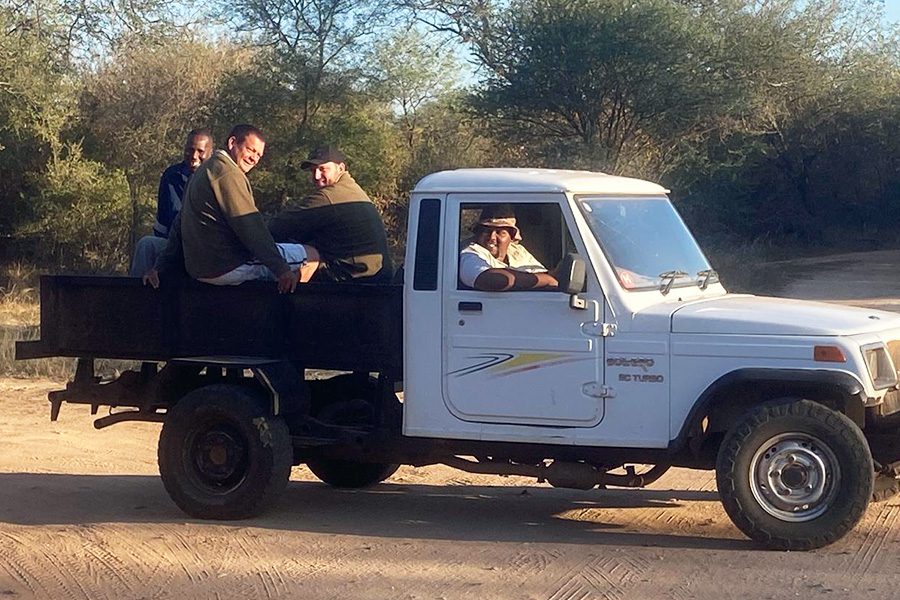
Left unmanaged, the bush can close in fast. Invasive species take hold, dense thickets block the light, and the grasses that sustain the grazers start to disappear. We manage this by hand — identifying problem areas, cutting selectively, and packing the cleared vegetation back into the ground to protect new growth and return nutrients to the soil. It’s slow, unglamorous work. We also deal with erosion, maintain the roads, check the fencing daily, and plant indigenous trees every year. None of it is visible to most guests. All of it matters.
Wildlife Monitoring
Every two years we conduct a full aerial game count — flying a grid pattern over the reserve and counting every animal we can find. It gives us a population estimate for each species and helps us track trends over time. If numbers are climbing too fast, we act. If something is declining, we need to know why. A reserve is not a static thing, and keeping it healthy means paying attention to the numbers, not just the scenery.
Our Community
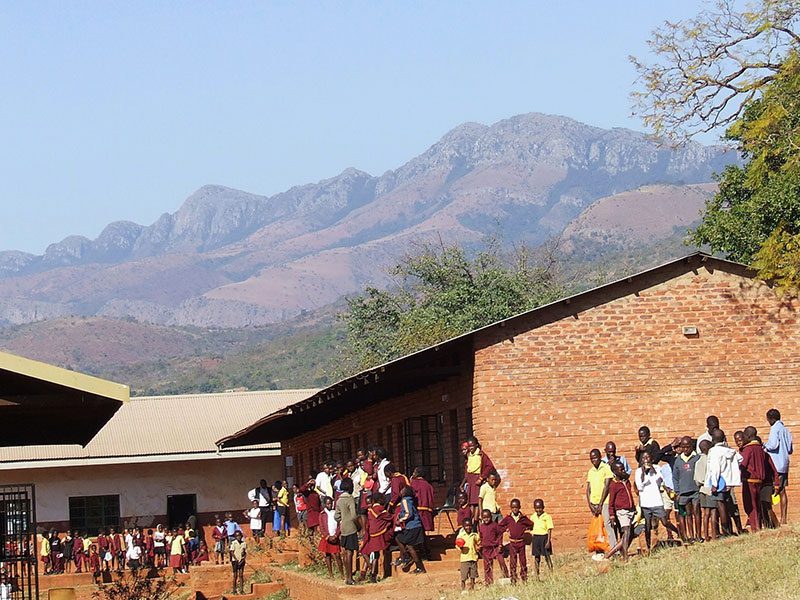
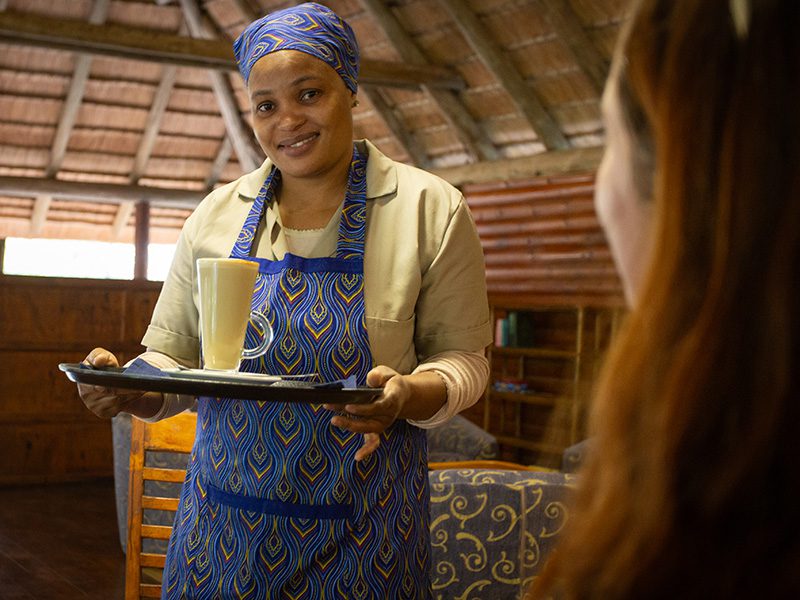
About 40 of our staff come from the Sekororo Tribal Area, at the foot of the Drakensberg. Many of them have been with us for 10, 15, 20 years. They are, genuinely, part of the Makutsi family. Each of them supports a wider network of family and friends back home, so the connection between this lodge and that community runs deep. Over the years we’ve put materials, labour, and money into local schools and orphanages — classrooms, toilets, water supply, basic supplies.
We don’t advertise it much. We also don’t take guests there. Those are real schools with real schedules, and the last thing they need is to become a tourist attraction. Our relationship with the community is built on respect, not optics. If you’d like to contribute — school supplies, books, clothing, anything useful — leave it at reception. We’ll make sure it gets to where it’s needed.
Travel Info
Helpful Info - Makutsi
- Your final day-to-day itinerary will be given to you on your arrival at Makutsi.
- All guests arriving independently — not collected by Makutsi from Hoedspruit Airport — must arrive before 16h00 for your arrival and safety briefing.
- All HDS airport transfers conducted by Makutsi are done at times that coincide with the flight arrival and departure times.
- For payments on Makutsi: Cash (€, U$, A$, NZ$, CHF, Rand) Visa and MasterCard are accepted. (No Amex)
- Makutsi has a no-cash bar. All drinks, lunch, shopping etc (and other extras) are put on your room bill, and can be paid on the day of your departure.
- Please remember to change some money into Rand at the airport as you will not be able to change money once on Makutsi. Most places accept credit cards, but here and there some cash might come in handy.
- Electricity – South Africa uses 220/230 volt AC (50 Hz). A limited number of adaptors are available to borrow at reception, but please bring your own if possible.
- There is a telephone that you can use at the reception. It is a satellite phone and can occasionally be out of order due to bad weather. Also, be aware that not all foreign phone providers allow making calls to satellite phones. Mobile phone reception on Makutsi is limited (MTN has best reception).
- Free Wi-Fi from 07:00 to 19:00 located in the Library / Coffee Shop.
- South Africa Time Zone: UTC/GMT +2 hours
- We have a safe for personal items available for your use.
Helpful info - South Africa
- For detailed information about South Africa visit: southafrica.net
- South African travel requirements for Minors!
- Money
- South Africa’s currency is the Rand (ZAR). Foreign currency can be exchanged at banks, airports, and Bureaux de Change. Major credit cards (Visa, MasterCard) are widely accepted. Note: Makutsi does not accept American Express on site.
- Health and safety – Malaria
The Hoedspruit and Limpopo region is a low-risk malaria area. The risk is highest during the wet summer months (October–April) and lowest in the dry winter months (May–September). Note that most packages include a trip to the Kruger National Park, which falls in a higher-risk area.
The simplest and most effective precautions include:
- Sleeping under mosquito nets (provided in all rooms)
- Using a good DEET-based insect repellent
- Wearing lightweight long sleeves and trousers at dusk
We strongly recommend consulting your doctor or travel health clinic before travelling. If you feel feverish during or after your stay, see a doctor and mention you have been in a malaria region.
- Time difference – South Africa does not observe daylight saving. The time difference from Europe is typically 1–2 hours depending on the season, and 6–7 hours from the US East Coast.
- Telephone – The international code for South Africa is +27.
- VAT – Visitors to South Africa are not exempt from paying VAT (Value-added Tax) on purchased items. However, tourists can claim back the VAT paid on items taken out of the country with a total value exceeding R250. The VAT can be claimed at airports and/or harbours of departure, and customs offices. Visitors should present the folowing documents at VAT Refund Administration Offices and Customs Offices: original tax invoices, a VAT refund control sheet and foreign passport, and all items on which VAT is being reclaimed.
- Travel Requirements for Minors – South Africa has specific entry requirements for minors (children under 18). Children must carry their own passport, and when travelling with only one parent or with non-parent adults, additional documentation is required — including an original unabridged birth certificate and, in some cases, a parental consent affidavit. These rules are strictly enforced. Check requirements well in advance with the South African embassy.
Packing List
A practical packing list — adjust for your travel season, as winter mornings can be surprisingly cold and the summer sun is intense. Don’t overpack: laundry service is available on the reserve, and you will want room in your bag for souvenirs.
- Clothing in neutral colours (avoid bright colours & white for improved game viewing)
- Safari hat
- Safari jacket and items like gloves and beanies when coming in winter
- Comfortable short- and long sleeved safari shirts (2 or 3 of each)
- Comfortable and sturdy shorts and long trousers (2 or 3 of each)
- Swimwear & sunglasses
- Sandals
- Comfortable hiking/walking shoes.
- Insect repellent
- Sunscreen
- Binoculars
- Flashlight or headlamp
- Camera gear and all that you need to recharge your digital equipment
- Travel alarm clock
- Adaptor
- Reading material (also available in Library).
Most important: valid passports, flight tickets and money!
Before You Travel
- Your final day-to-day itinerary will be given to you on your arrival at Makutsi.
- All clients arriving on their own (i.e. who are not picked up by Makutsi at HDS airport) need to make sure they arrive before 4pm so that we can do a proper arrival & safety briefing!
- All HDS airport transfers conducted by Makutsi are done at times that coincide with the flight arrival and departure times.
- For payments on Makutsi: Cash (€, U$, A$, NZ$, CHF, Rand) Visa and MasterCard are accepted. (No Amex)
- Makutsi has a no-cash bar. All drinks, lunch, shopping etc (and other extras) are put on your room bill, and can be paid on the day of your departure.
- Please remember to change some money into Rand at the airport as you will not be able to change money once on Makutsi. Most places accept credit cards, but here and there some cash might come in handy.
- Electricity – South Africa’s electricity supply is 220/230 volts AC 50 Hz. Some electrical appliance adaptors available to borrow at Reception, but please try to bring your own.
- There is a telephone that you can use at the reception. It is a satellite phone and can occasionally be out of order due to bad weather. Also, be aware that not all foreign phone providers allow making calls to satellite phones. Mobile phone reception on Makutsi is limited (MTN has best reception).
- Free Wi-Fi from 07:00 to 19:00 located in the Library / Coffee Shop.
- South Africa Time Zone: UTC/GMT +2 hours
- We have a safe for personal items available for your use.
- For detailed information about South Africa visit the CIA Factbook – South Africa
- South African travel requirements for Minors!
- Money – currency/ credit cards/exchange
- The South African unit of currency is called the Rand and it is divided in to 100 cents. Coins come in denominations of 2c, 5c, 10c, 20c, 50c, R1, R2 and R5, and notes in denominations of R10, R20, R50, R100 and R200.
- Foreign currency can be exchanged at local banks and Bureauxs de Change. Most major international credit cards such as American Express, Diners Club, MasterCard, Visa and their affiliates are widely accepted.
- For the up to date exchange rate: Currency Converter
- Health and safety – Malaria
- Malaria is found only in the Lowveld of Mpumalanga and Limpopo and on the Maputaland coast of KwaZulu-Natal. Malaria is not much of a risk in the winter months. Although the incidence of malaria is rare, it would be best to take adequate precautions if you choose to visit these areas.
- The cheapest, safest and most effective measures against malaria are physical barriers such as a mosquito net, and the use of a good insect repellent. It is advisable to consult a medical professional before embarking on a course of malaria prophylaxis.
- For detailed and up-to-date information please visit the following site: Centre for Disease Control
- Time difference – Standard Time in South Africa is seven hours ahead of Eastern Standard (Winter) Time and six hours ahead of Eastern Standard (Summer) Time. Europe experiences a one to two hour time difference, depending on the time of the year. South Africa has no daylight change.
- Telephone – The international code for South Africa is +27. In South Africa public phones are available and are either coin or card operated. You can purchase telephone cards at post offices and airports.
- VAT – Visitors to South Africa are not exempt from paying VAT (Value-added Tax) on purchased items. However, tourists can claim back the VAT paid on items taken out of the country with a total value exceeding R250. The VAT can be claimed at airports and/or harbours of departure, and customs offices. Visitors should present the folowing documents at VAT Refund Administration Offices and Customs Offices: original tax invoices, a VAT refund control sheet and foreign passport, and all items on which VAT is being reclaimed.
Climate
Makutsi sits in the Limpopo Lowveld — one of South Africa’s sunniest regions. Summer (September–March) is warm and occasionally wet, with daytime temperatures around 30°C and evenings cooling by about 10°C. Winter (April–August) brings clear, sunny days above 20°C and cold nights that can drop well below 10°C — pack accordingly for early morning game drives.
Please remember that below weather descriptions are averages:
Summer
November
Min 15°C – Max 34°C
December
Min 16°C – Max 36°C
January
Min 20°C – Max 36°C
February
Min 20°C – Max 36°C
March
Min 16°C – Max 32°C
Autumn
April
Min 10°C – Max 30°C
May
Min 5°C – Max 30°C
Winter
June
Min 2°C – Max 28°C
July
Min 2°C – Max 28°C
August
Min 5°C – Max 30°C
Spring
September
Min 10°C – Max 32°C
October
Min 15°C – Max 34°C